


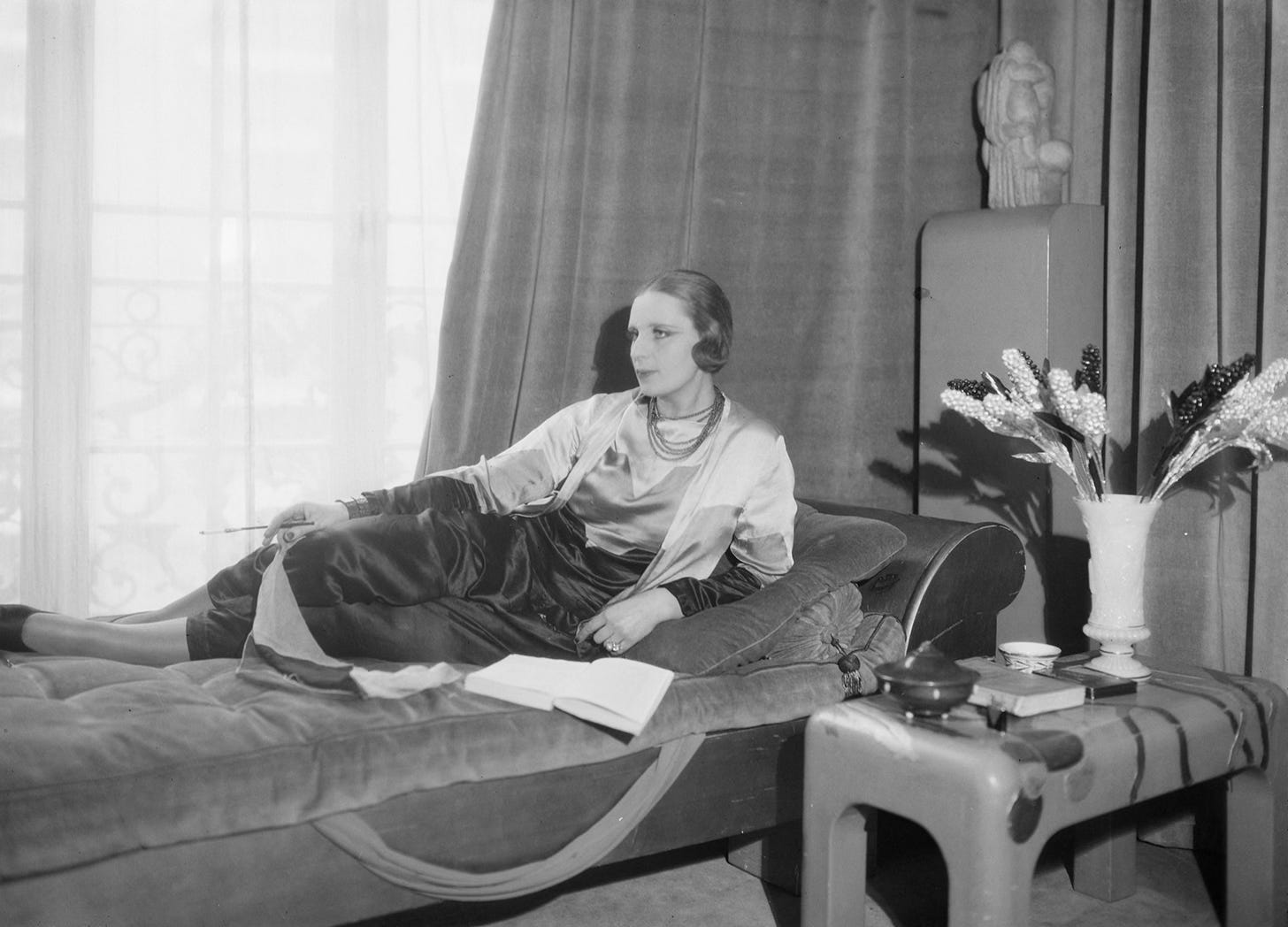
Tamara de Lempicka was born Tamara Rosa Hurwitz in 1894. She lost contact with her father after he left when she was a child. Lempicka, her brother Stanisław Julius, and sister Adrienne were raised in Warsaw by their maternal grandparents, Bernard and Klementyna Dekler. As a teenager, she spent six months in Italy with her grandmother, visiting museums in Florence, Rome, and Venice. There Lempicka discovered the masters of the Italian Renaissance and developed an early love for art. By 1914, she moved to Saint Petersburg to live with her aunt and uncle, where she attended ballet and opera performances at the Mariinsky Theatre and parties at the Winter Palace (the Hermitage). She met and fell in love with a prominent Polish lawyer, Tadeusz Łempicki. As German troops advanced on Poland in 1915, Lempicka convinced her aunt and uncle to let her marry Tadeusz. They wed in 1916, and their only daughter, Marie Christine, known as Kizette, was born that September.
Following the February Revolution in 1917, Lempicka fled to Copenhagen while Tadeusz stayed briefly in Saint Petersburg. He was arrested by the Cheka, the Soviet secret police, but released through Lempicka’s family contacts. In 1918, the couple and their daughter settled in Paris. Lempicka began selling family heirlooms to support them. Her sister Adrienne Górska, herself an architect, encouraged her to take art classes. Lempicka studied briefly at the Académie de la Grande Chaumière in Montparnasse before moving to the Académie Ranson. Her mentors included Maurice Denis and André Lhote. Lempicka’s first paintings were still lifes and portraits of her daughter Kizette. She quickly developed a signature style influenced by Cubism, post-war Purism, and Neo-Classicism. Lempicka returned to Italy to study Renaissance painting techniques. She crafted her luminous colours using lapis lazuli for her signature ‘Tamara blue,’ malachite for green, and cinnabar for vermilion red.
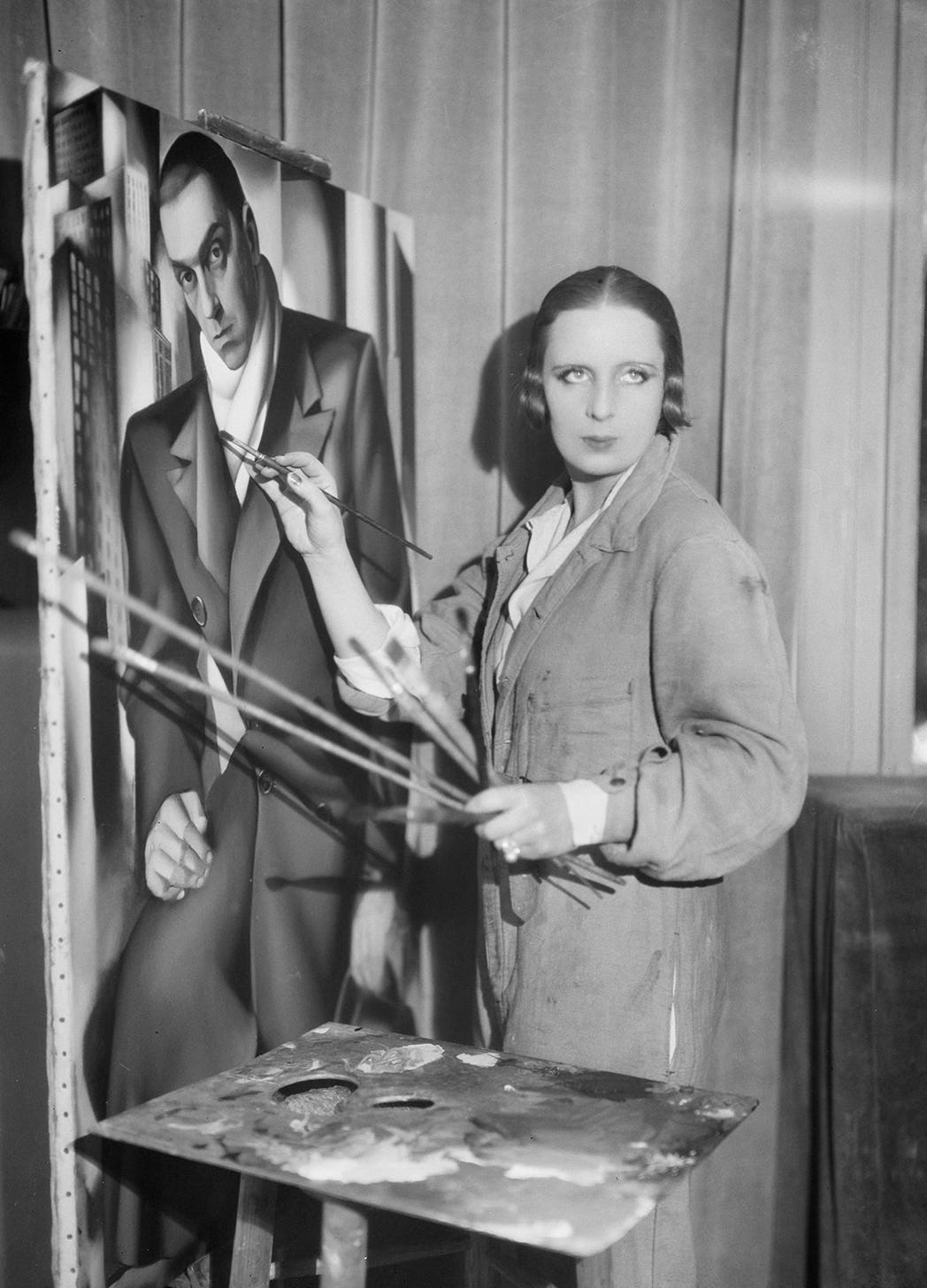
Lempicka sold her first paintings through the Galerie Colette-Weil, leading to her exhibit at the Salon d’Automne in Paris in 1922. During this period, she signed her paintings “Lempitzki”, the masculine form of her name. The following year, she moved to Montparnasse. Tensions with Tadeusz grew due to her active social life, long painting hours, and multiple love affairs. They eventually divorced. In 1925, her first solo exhibition in Milan at Bottega di Poesia gained international recognition. She contributed work to major European publications, including Die Dame. Lempicka won first prize at the Exposition Internationale des Beaux Arts in Bordeaux for her portrait of Kizette on the Balcony in 1927. Two years later, she exhibited in the United States at the Carnegie International Exhibition and won a bronze medal at the General National Exhibition in Poznań.
Lempicka established a reputation as a leading portrait artist of Paris. She received commissions from industrialist Rufus Bush in Manhattan, Marquis de Sommi, Prince Eristoff, Marquis d’Afflitto, and patrons Doctor Pierre Boucard and Baron Raoul Kuffer, whom she later married. She socialized with Chagall, Tsuguharu Foujita, Marie Laurencin, the Comtesse de Noailles, and André Gide. Her friends included designers Marcel Rochas, Coco Chanel, Madame Grès, and Rose Descat, who dressed her for events. Lempicka’s affairs with both men and women often inspired her portraits and nude studies. Her close friend and lover, poet Ira Perrot, was the subject of at least eight of her paintings. After her daughter Kizette, no subject appeared as frequently in her art. Lempicka also became involved with Suzy Solidor, a nightclub singer at the Boîte de Nuit, whom she later painted. She attended “women-only” afternoons held by the poet Natalie Barney and became friends with Vita Sackville-West, Violet Trefusis, and Colette.
“I live life in the margins of society,” she said. “And the rules of normal society don’t apply to those who live on the fringe.”
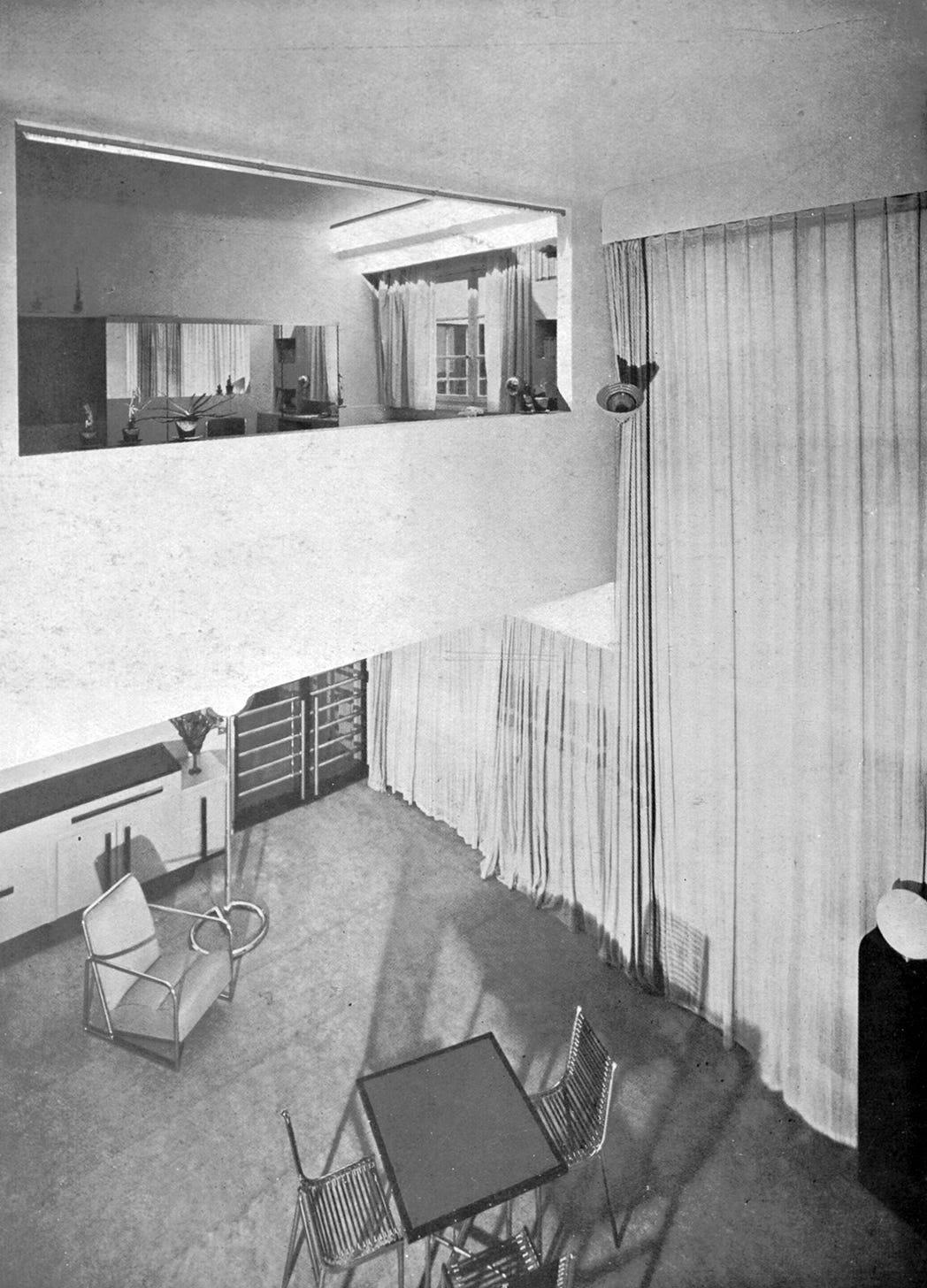
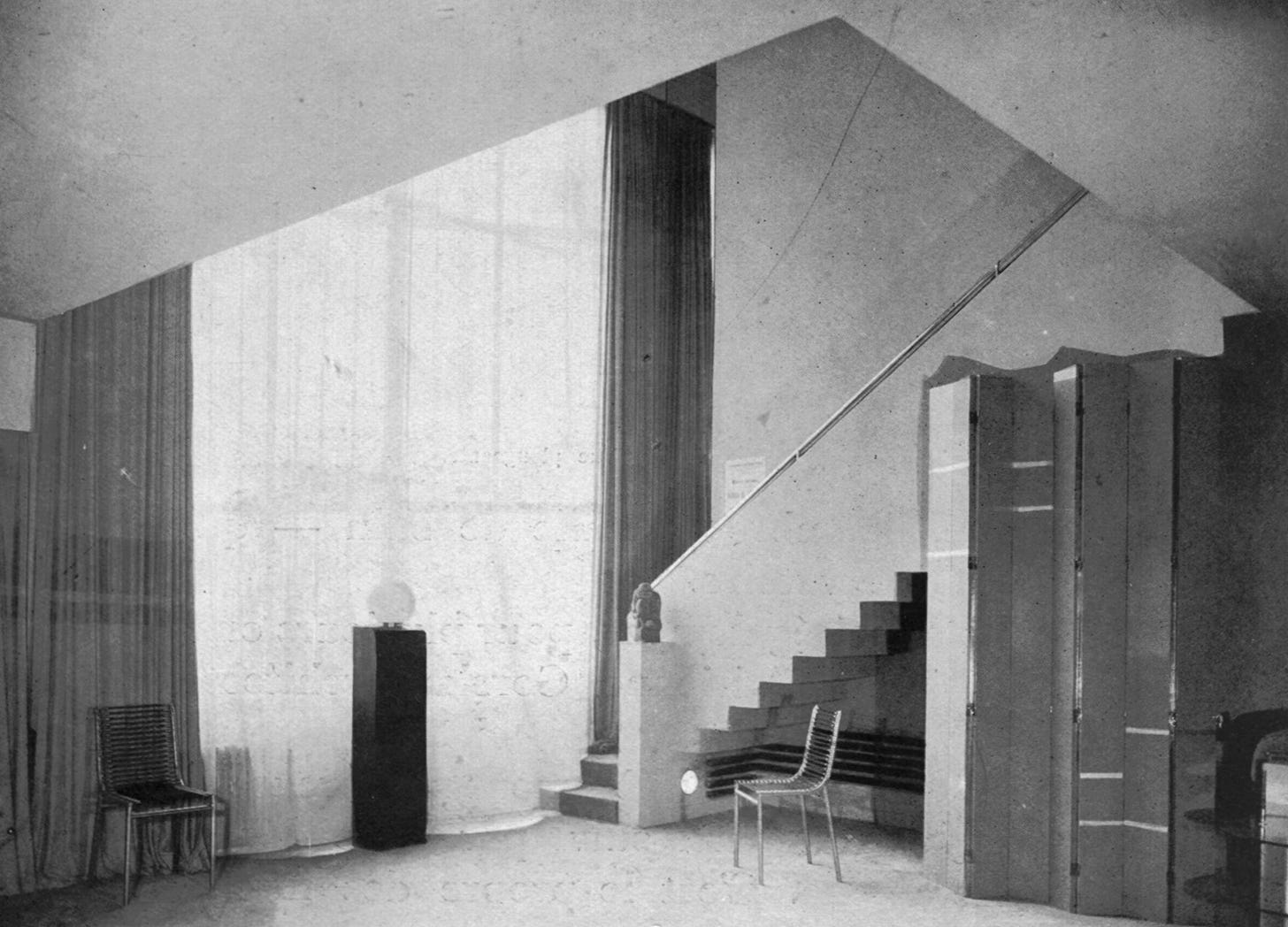
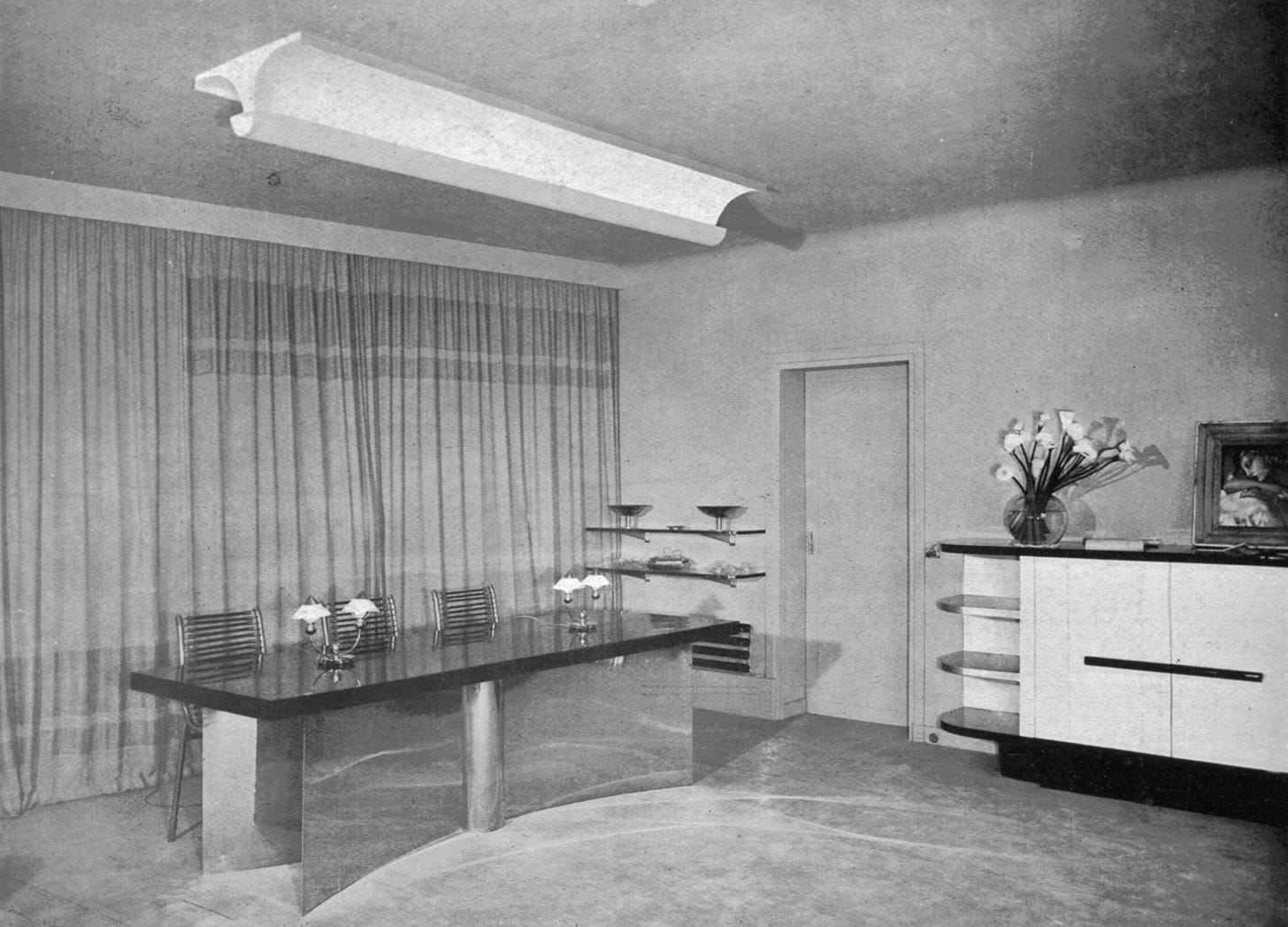
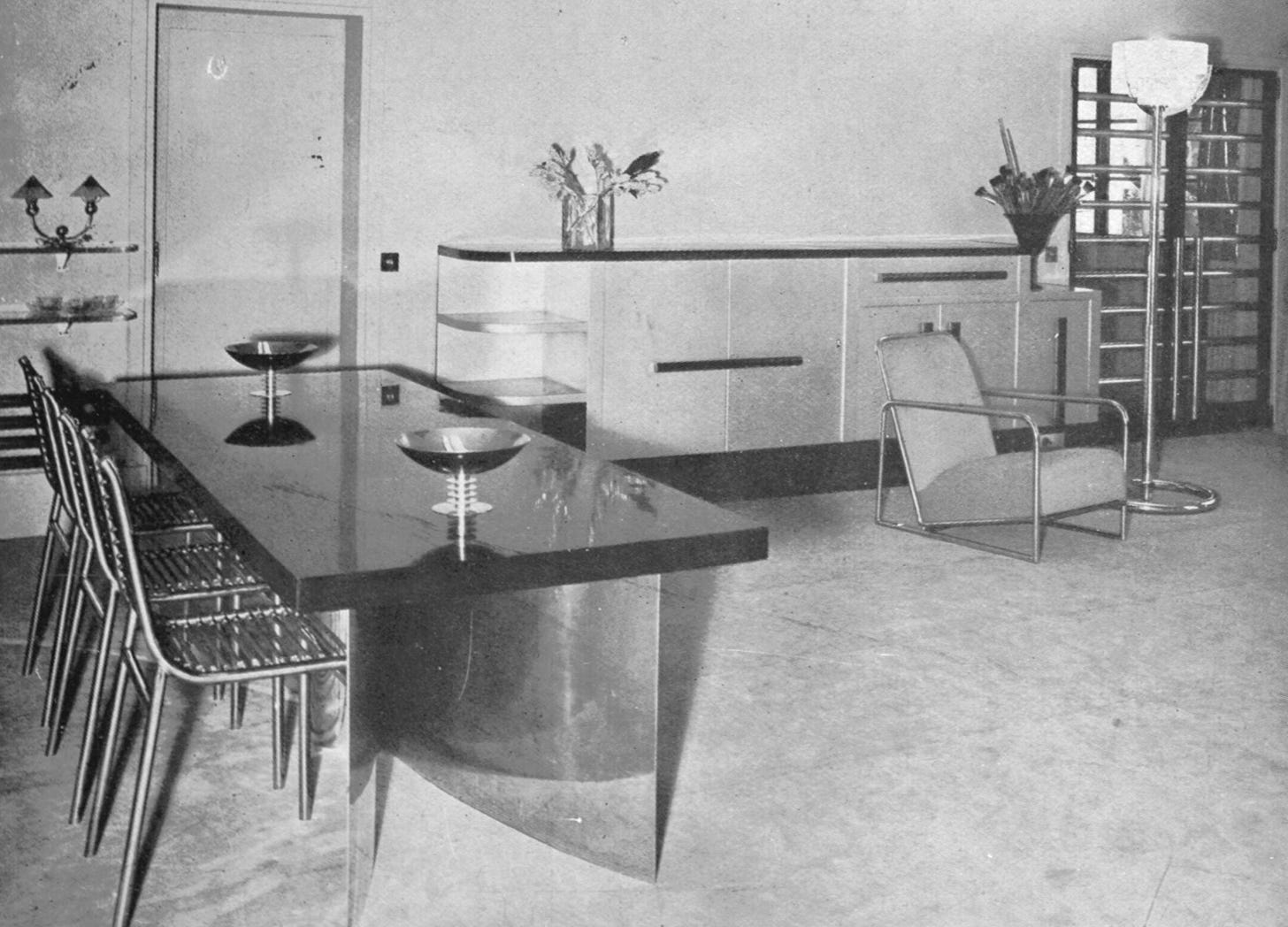
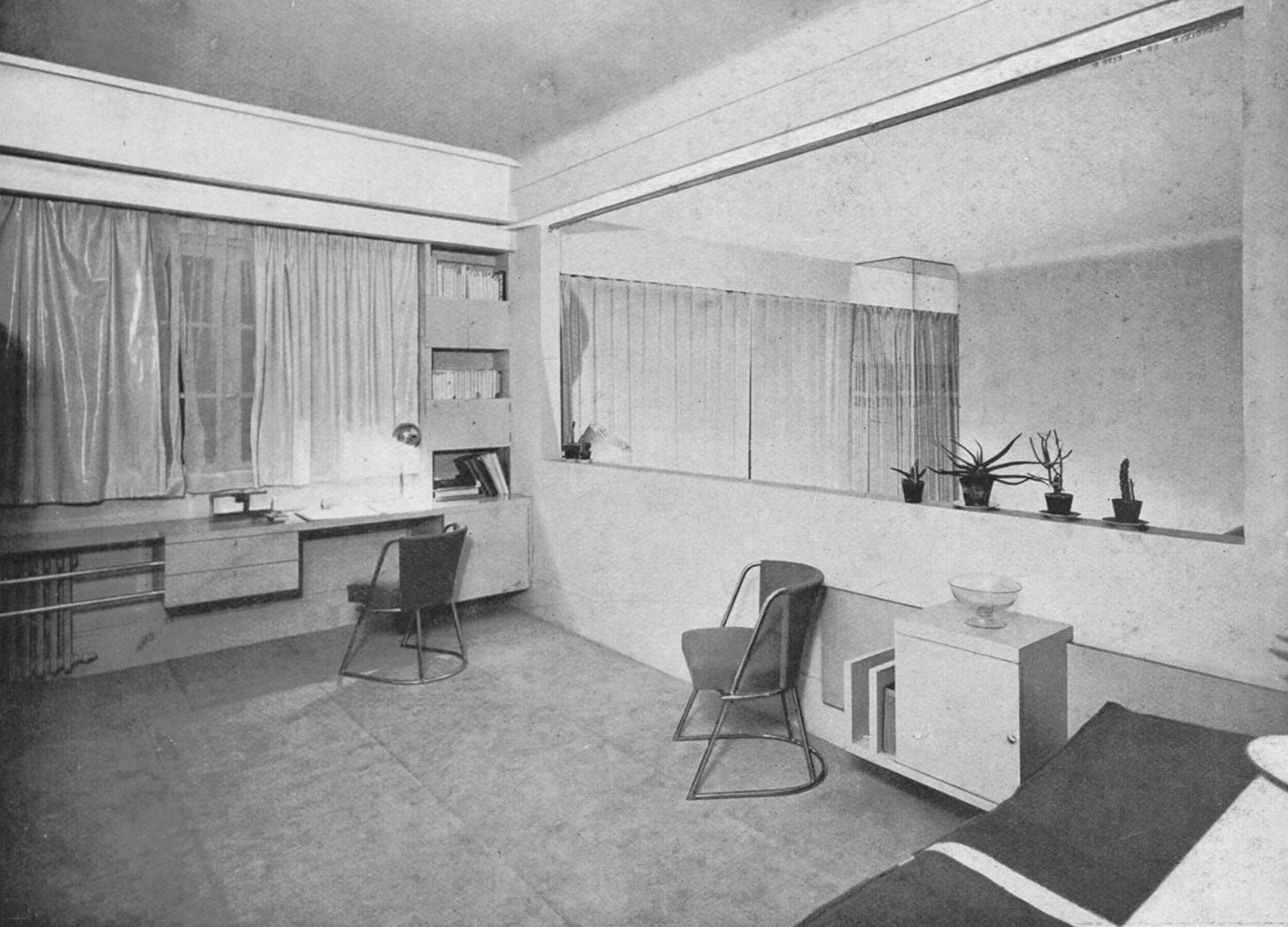
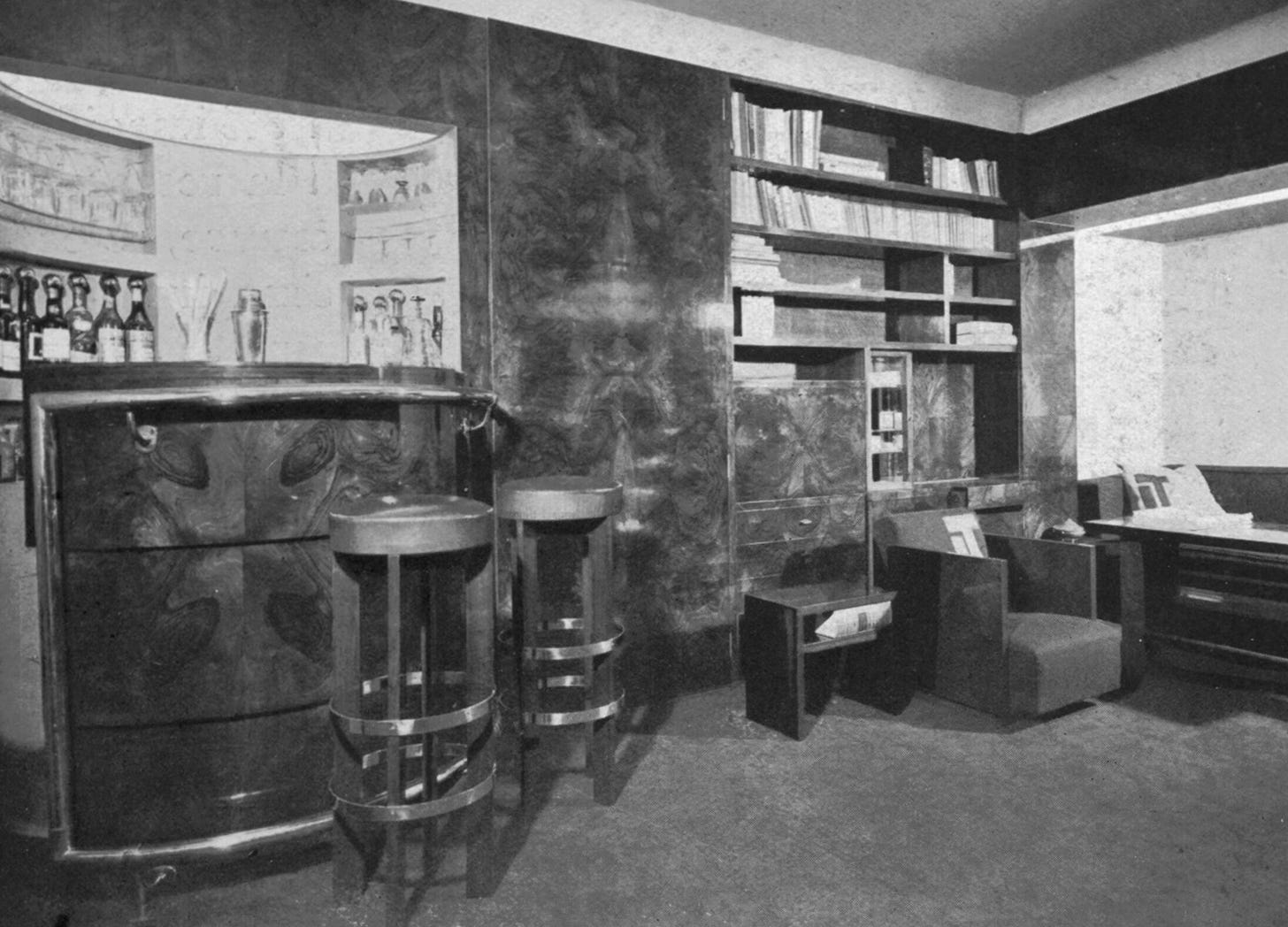
In 1930, Lempicka had her first solo exhibit in Paris at the Colette Weil gallery. By then she claimed to have made a million dollars from her work. Lempicka bought an apartment at 7 rue Méchain designed and decorated by Robert Mallet-Stevens and her sister Adrienne. The interior was unified by Mallet-Stevens’s vision but filled with modernist designs by René Herbst and Djo-Bourgeois. The metal railings were signed by Jean Prouvé and the lighting by the Atelier Jean Perzel. The pearl grey wall colour Lempicka chose complemented the custom chrome furniture she and her sister designed. Floor-to-ceiling windows made by Louis Barillet’s workshop provided natural light for her painting. The bedrooms had moleskin blinds, silver-and-tortoiseshell-lacquered vanity sets by Tétard Frères, and sycamore furniture. On the second floor, the “American Cocktail bar”, designed by Adrienne, featured a varnished walnut and chrome design. The custom furniture in the library was monogrammed “TL” for her initials. This was where Lempicka entertained guests and threw lavish parties to present new paintings to prospective clients and journalists.
Lempicka’s career peaked during the 1930s. She painted portraits of King Alfonso XIII of Spain and Queen Elizabeth of Greece, and museums began collecting her works. In 1933, she travelled to Chicago, where her paintings were shown alongside those of Willem de Kooning, Santiago Martínez Delgado, and Georgia O’Keeffe. The following year, she married art collector Baron Kuffner. Alarmed by the rise of the Nazis, she persuaded him to sell his assets and move his fortune to Switzerland. Her paintings Jean d’Arc (1933), Avant l’orage (1936), Les réfugiés (1937), and La fuite (1940) express her fear about the world’s direction.
By 1940, the war prompted them to relocate to the United States. They moved to Beverly Hills and settled in the former residence of film director King Vidor. The Paul Reinhard Gallery organized a show of her work. She also exhibited at the Julian Levy Gallery in New York, the Courvoisier Galleries in San Francisco, and the Milwaukee Institute of Art. These shows were less successful than she had hoped.
Kizette and Kuffner’s daughter Louisanne soon fled France and joined the family. Lempicka contributed to humanitarian efforts to raise funds for Polish relief. When the U.S. entered the war, she helped organize the Beverly Hills Women’s Emergency Corps as a Staff Sergeant.
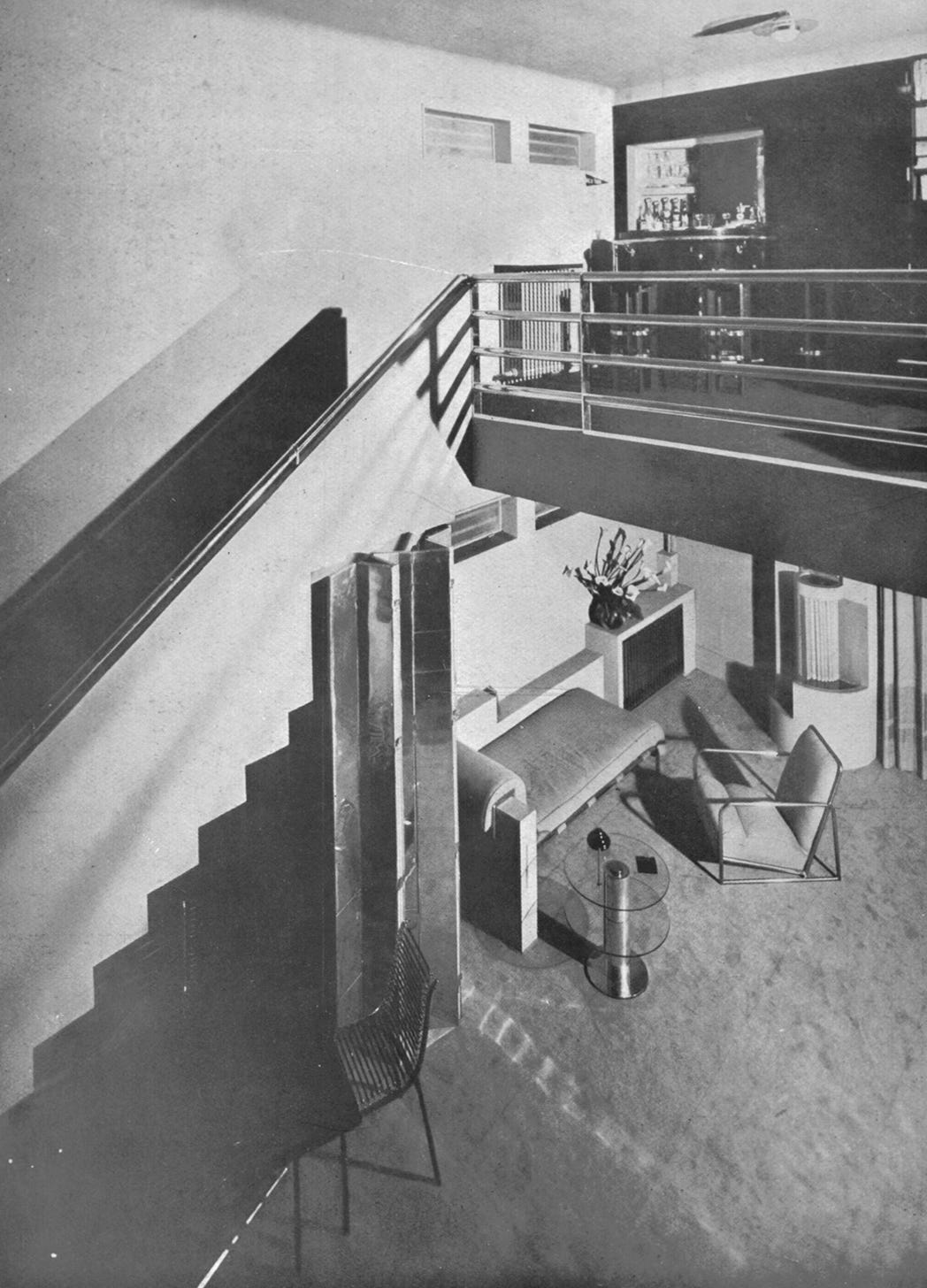
In 1943, Kuffner and Lempicka relocated to Manhattan where they lived in a duplex on East 57th Street. She experimented with religious themes, still lifes, and paintings bordering on Abstraction but did not align with any particular movement. Lempicka exhibited at Galerie Andre Weil in Paris in 1955. The first book on her work was published in Italy and a solo exhibition was held in Rome, organized by Princess Stefania Barberini Colonna di Sciarra.
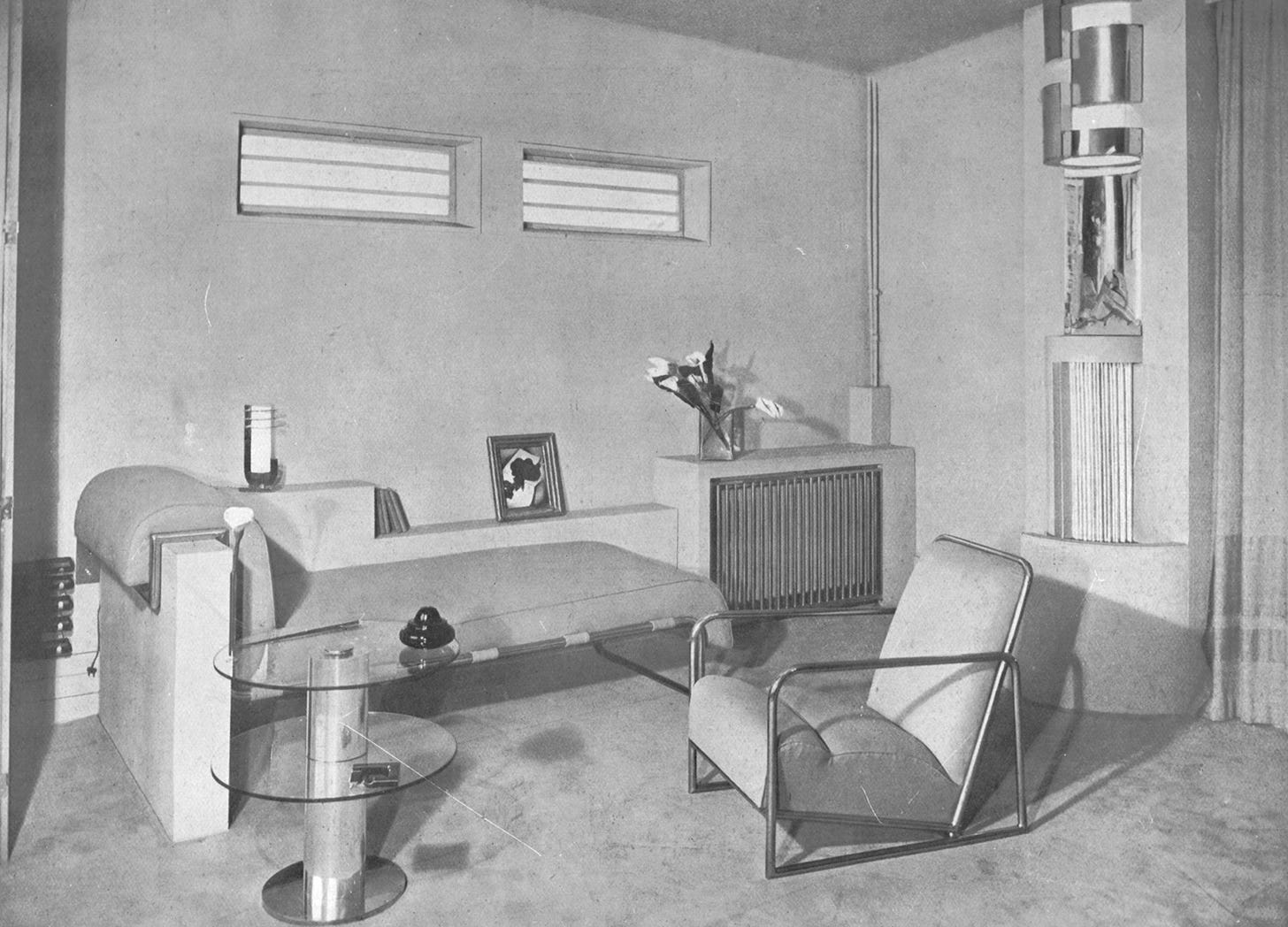
After her husband’s death in 1961, Lempicka’s show opened at Iolas Gallery in New York. She sold her possessions and made three around-the-world trips by ocean liner. Lempicka then moved to Houston to be closer to her daughter and granddaughters. She returned to her Paris studio to work during summers. In 1969, her beloved sister Adrienne died, and she attended the funeral in Beaulieu-sur-Mer.
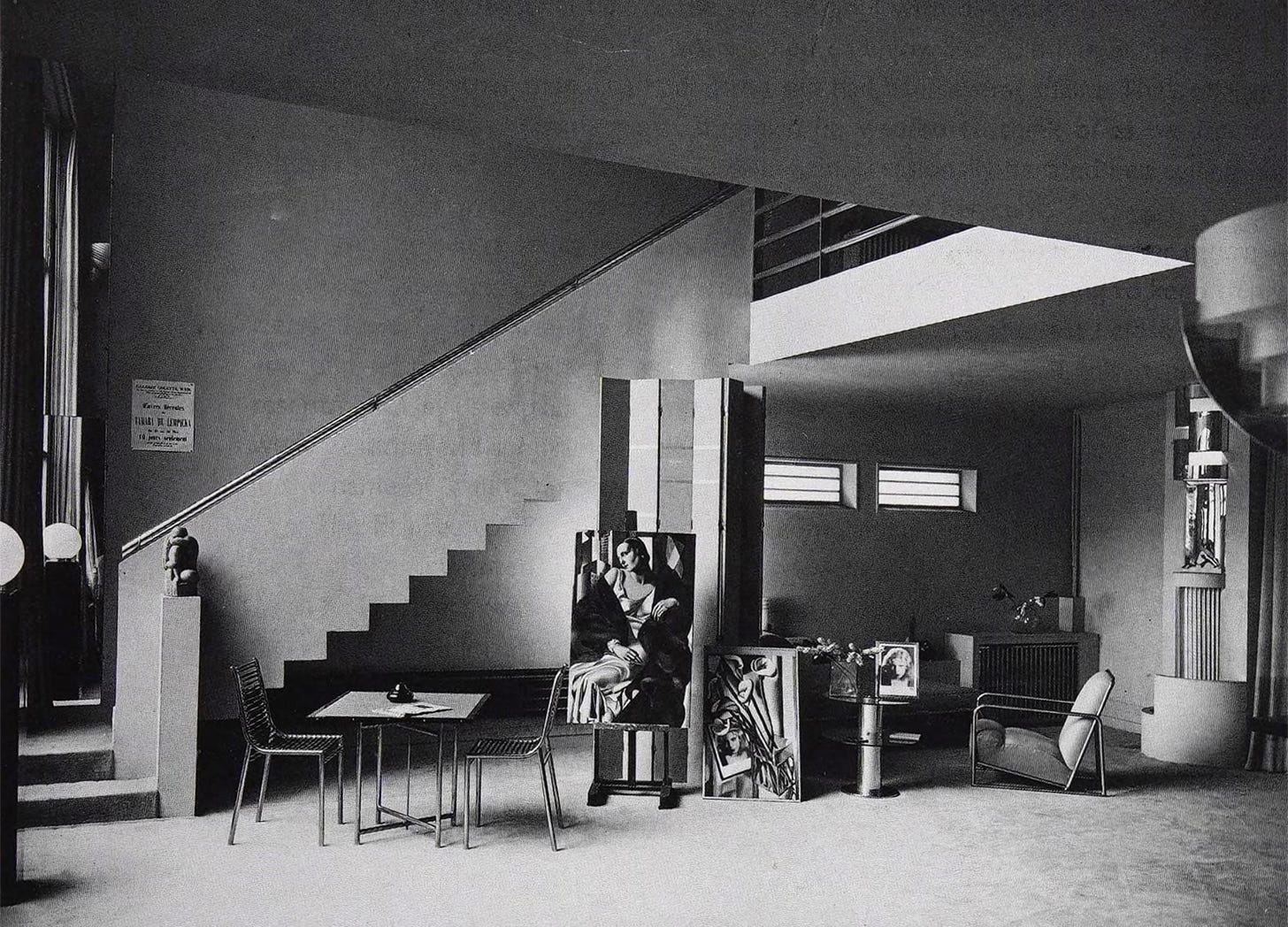
In the 1970s, Lempicka divided her time between Houston, Paris, and Cuernavaca, Mexico, purchasing the home Tres Bambus and redecorating it in lavender and white. She continued to paint, often creating replicas of her former works. In Paris, a retrospective was held at the Luxembourg Gallery in 1972 to critical acclaim. She sold her apartment there in 1976. Three years later, Kizette moved to Cuernavaca to care for Lempicka, whose health was declining. She died in her sleep in March 1980. Following her wishes, Kizette and her good friend, sculptor Victor Manuel Contreras, scattered her ashes over the Popocatépetl volcano.
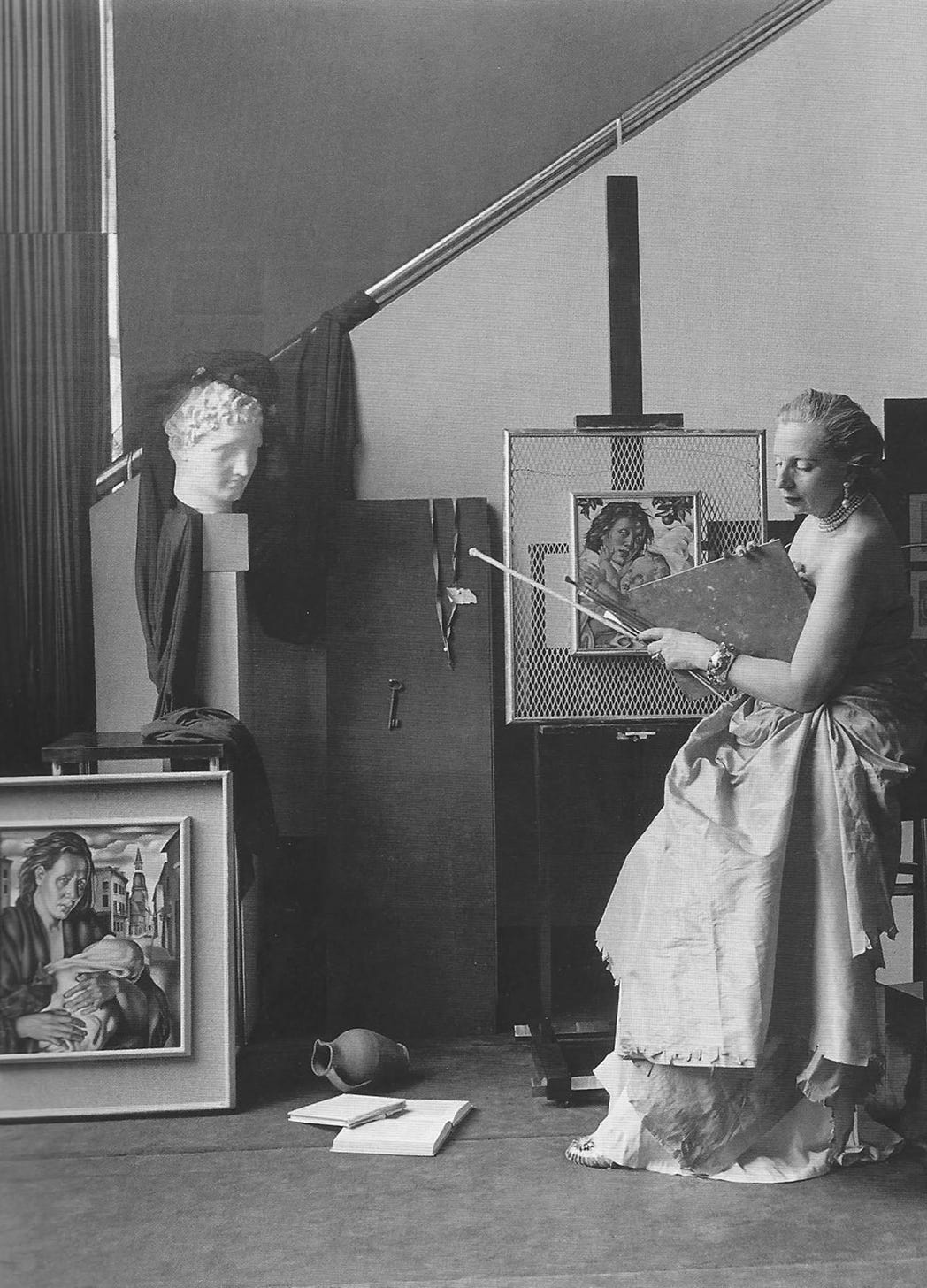
L’ATELIER DE Mme DE LEMPICKA, Mobilier et Décoration, January 1931
