


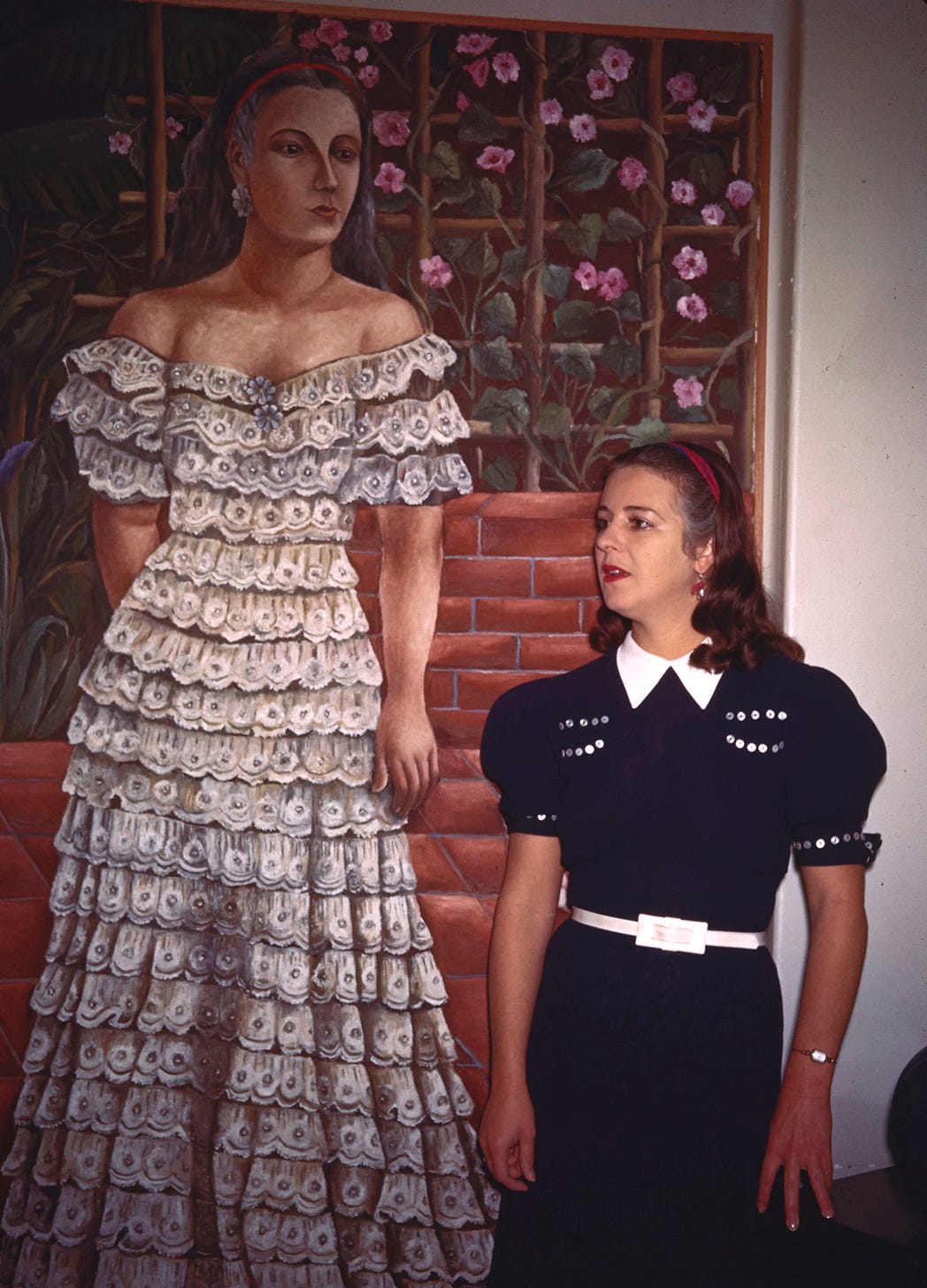
Born María Luisa Asúnsolo Morand in San Luis, Missouri, Maria Asúnsolo was the eldest daughter of Manuel Dolores Asúnsolo Jaques and Marie Morand Pitre. Her father was a military engineer and miner who joined Emiliano Zapata’s forces during the Mexican Revolution and was killed in 1911. Her mother was from Ontario, Canada, and she was the niece of sculptor Ignacio Asúnsolo and cousin of Dolores del Río. Little is known about Asúnsolo’s childhood. She refused to reveal her age and forged her birth certificate, changing her birthplace to Guerrero.
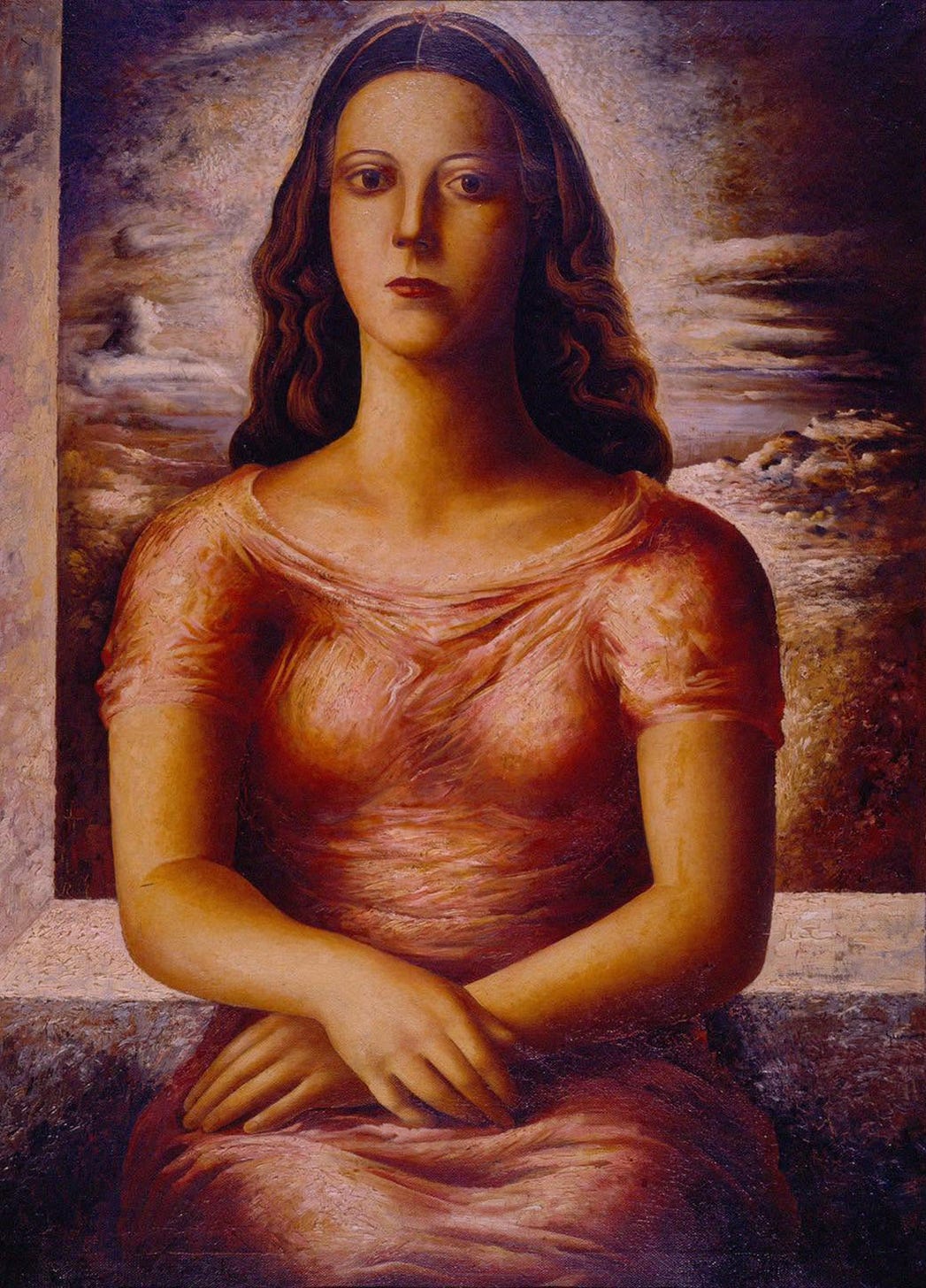
In 1925 Asúnsolo married Agustín Diener, a German businessman with whom she had her only child. In the early 1930s, she worked as an assistant and model in her uncle Ignacio’s studio. There she met David Alfaro Siqueiros, who introduced her to the art world. Siqueiros painted two portraits of her that she treasured. When Diener discovered their affair, he obtained custody of their son and took him to Germany. After her divorce, Asúnsolo married Dan Breen, an American businessman who owned ranches in Tamaulipas. She inherited a large sum from Breen and began her career as an art promoter in Mexico City.
Asúnsolo transformed her apartment on Paseo de la Reforma into the María Asúnsolo Art Gallery (GAMA). Artists such as Diego Rivera, Manuel Rodríguez Lozano, Federico Cantú, Roberto Montenegro, José Clemente Orozco, Carlos Mérida, Juan Soriano, and Raúl Anguiano exhibited and sold their work there. GAMA also housed works by foreign artists, including Peruvian painter José Sabogal and American painter Dorothy Hood. Asúnsolo promoted artists by introducing them to gallery owners, publishers, and art and literary critics and hosted script readings and discussions about film projects to attract buyers.
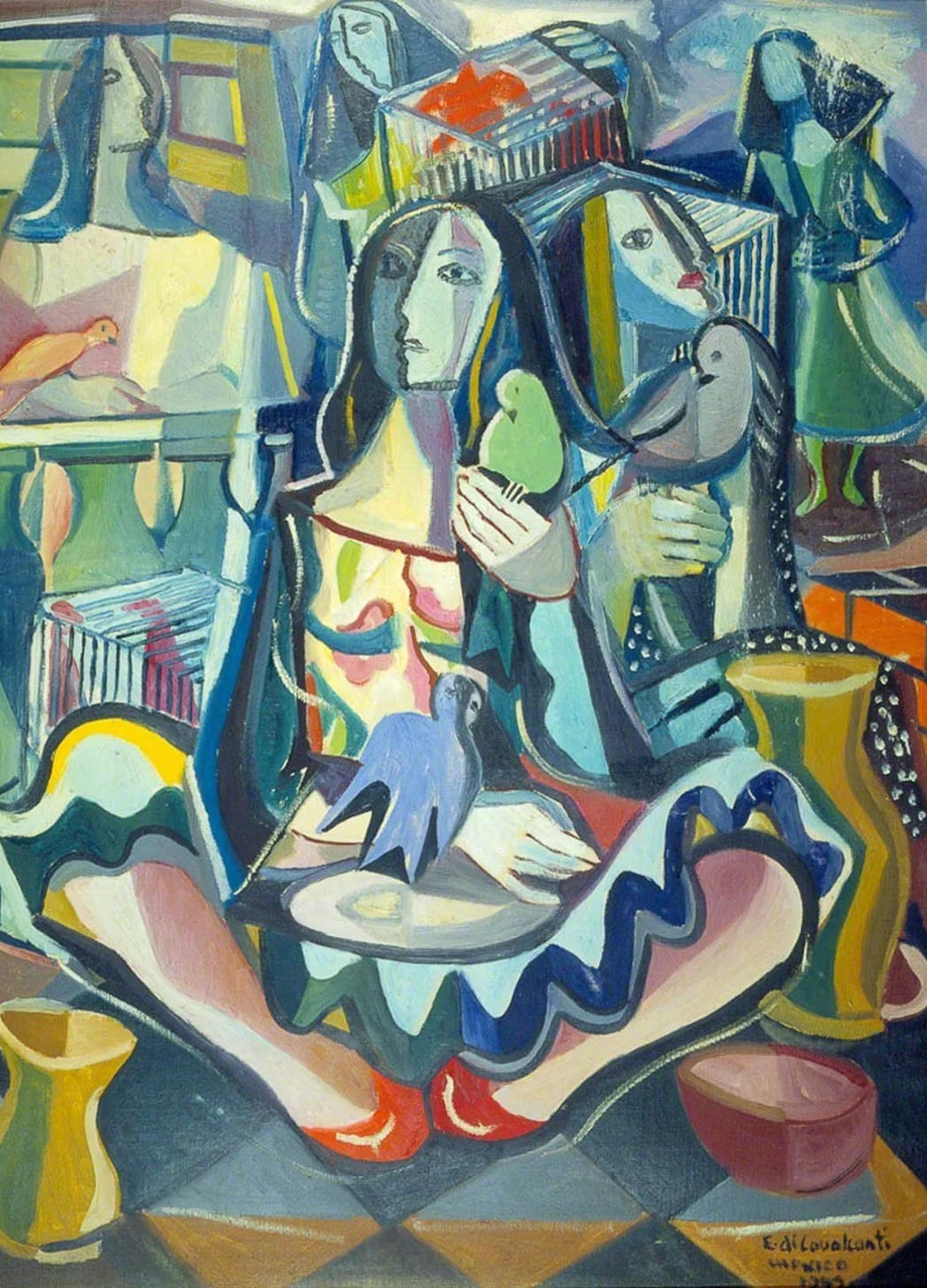
Asúnsolo ran her gallery informally, often storing paintings in her bathtub due to lack of space. Artists recall her closing deals with a handshake or verbal agreement instead of a contract. She charged lower commissions than others and opened her home and gallery as a meeting place for artists, politicians, writers, and intellectuals. Her gallery offered artists an alternative market outside the government-funded Mexican mural movement.
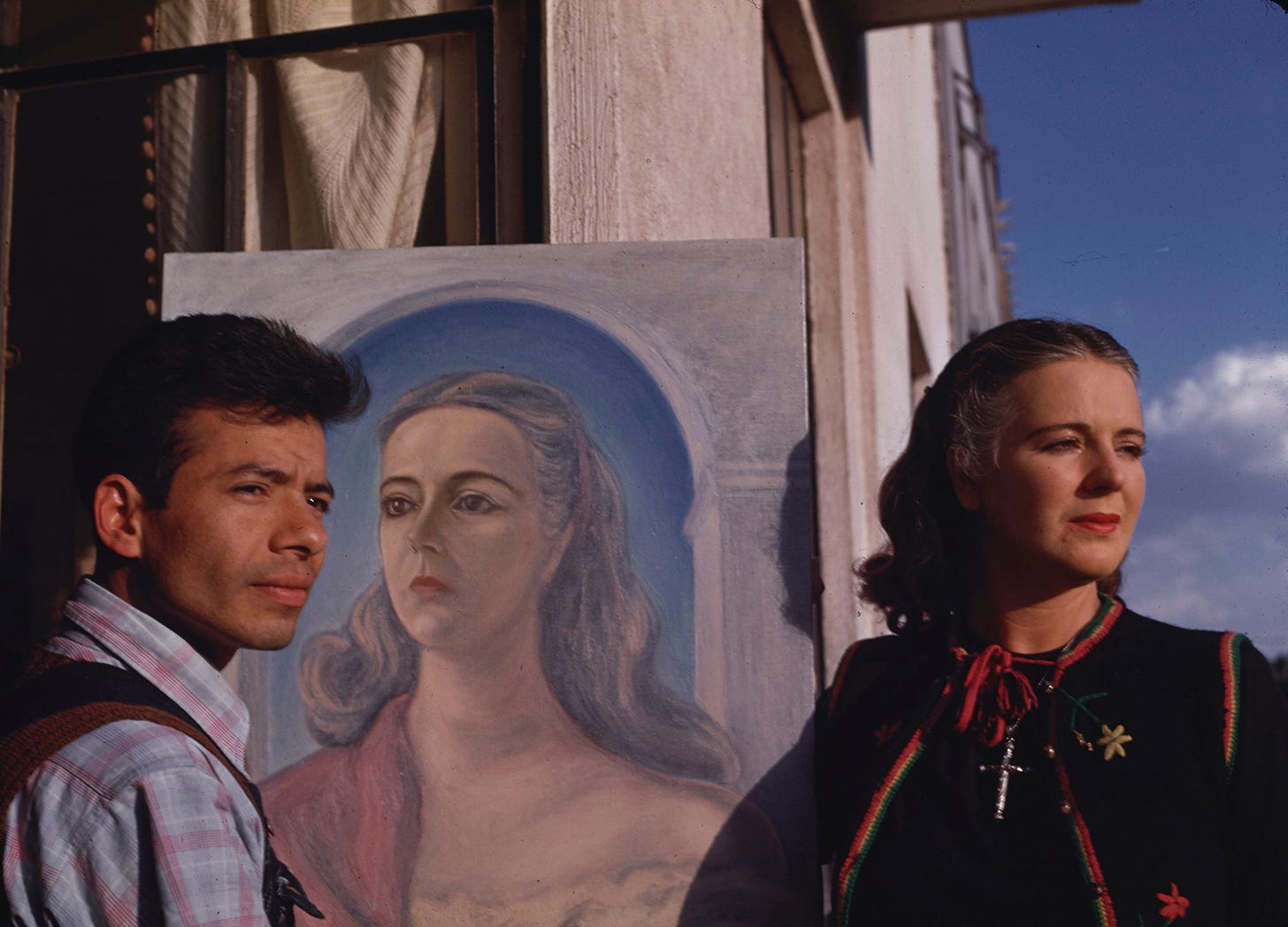
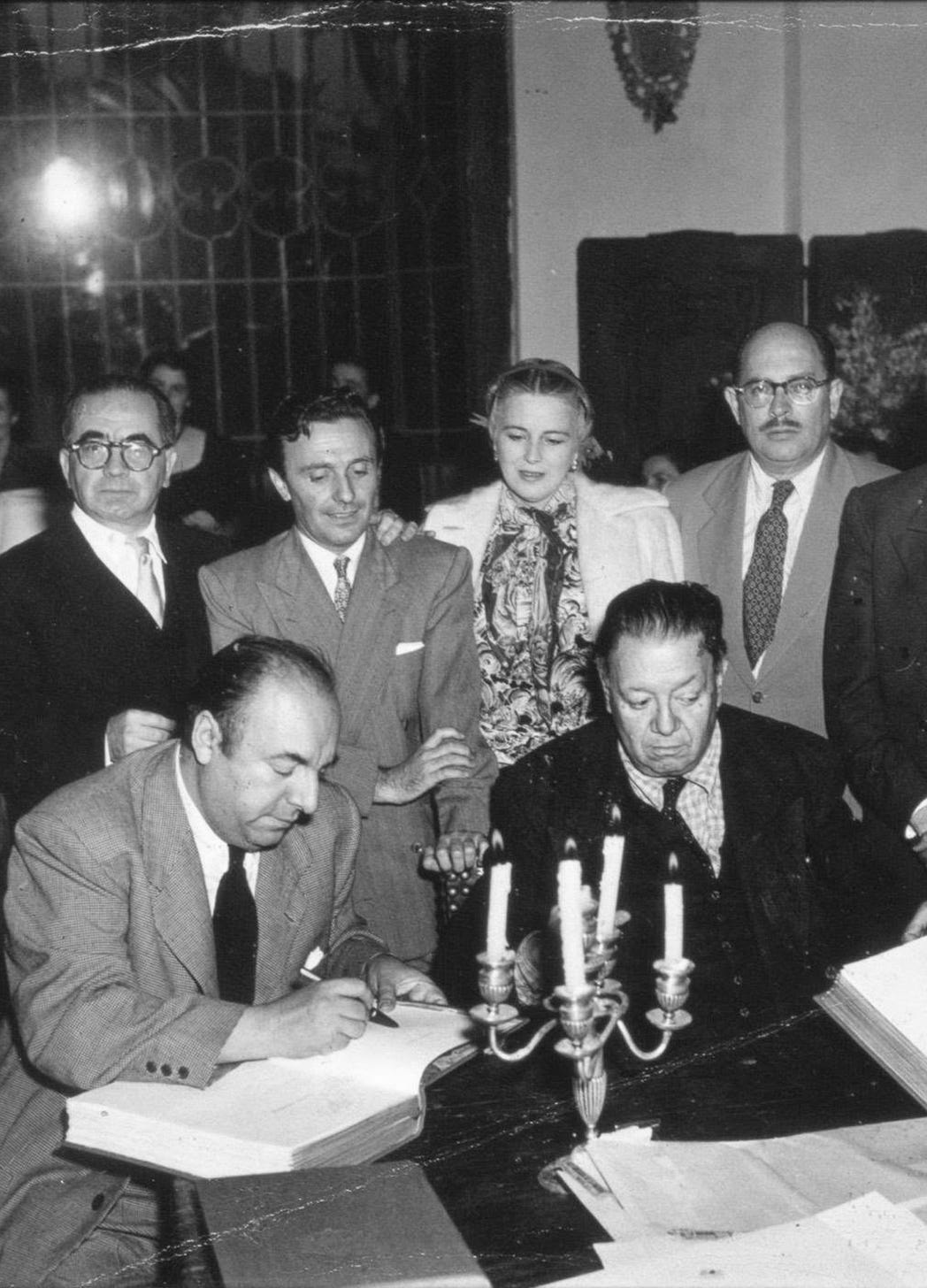
Asúnsolo organized exhibitions in and outside Mexico. According to an article by María Izquierdo in Art: The Galleries of Mexico and the Salon 1941, Asúnsolo aimed to “make the work of Mexican artists known throughout all the states of the Republic—work which, incredible as it may seem, is better known abroad than in our own country.” She was the first gallery owner to hold an art exhibit outside Mexico City and collaborated in exhibitions such as the Cultural Week of Puebla in 1943. Although GAMA closed to the public by 1945, she continued supporting the arts. Asúnsolo was not only María Izquierdo’s patron but also a loyal friend. In the late 1940s, after Izquierdo’s mural project was cancelled, Asúnsolo signed petitions defending her. She also helped organize an auction to raise funds after the artist’s stroke. Asúnsolo was one of the editors of Pablo Neruda’s The Canto General, published in 1950. The book consists of 231 poems and more than fifteen thousand verses with illustrations by Rivera and Siqueiros.
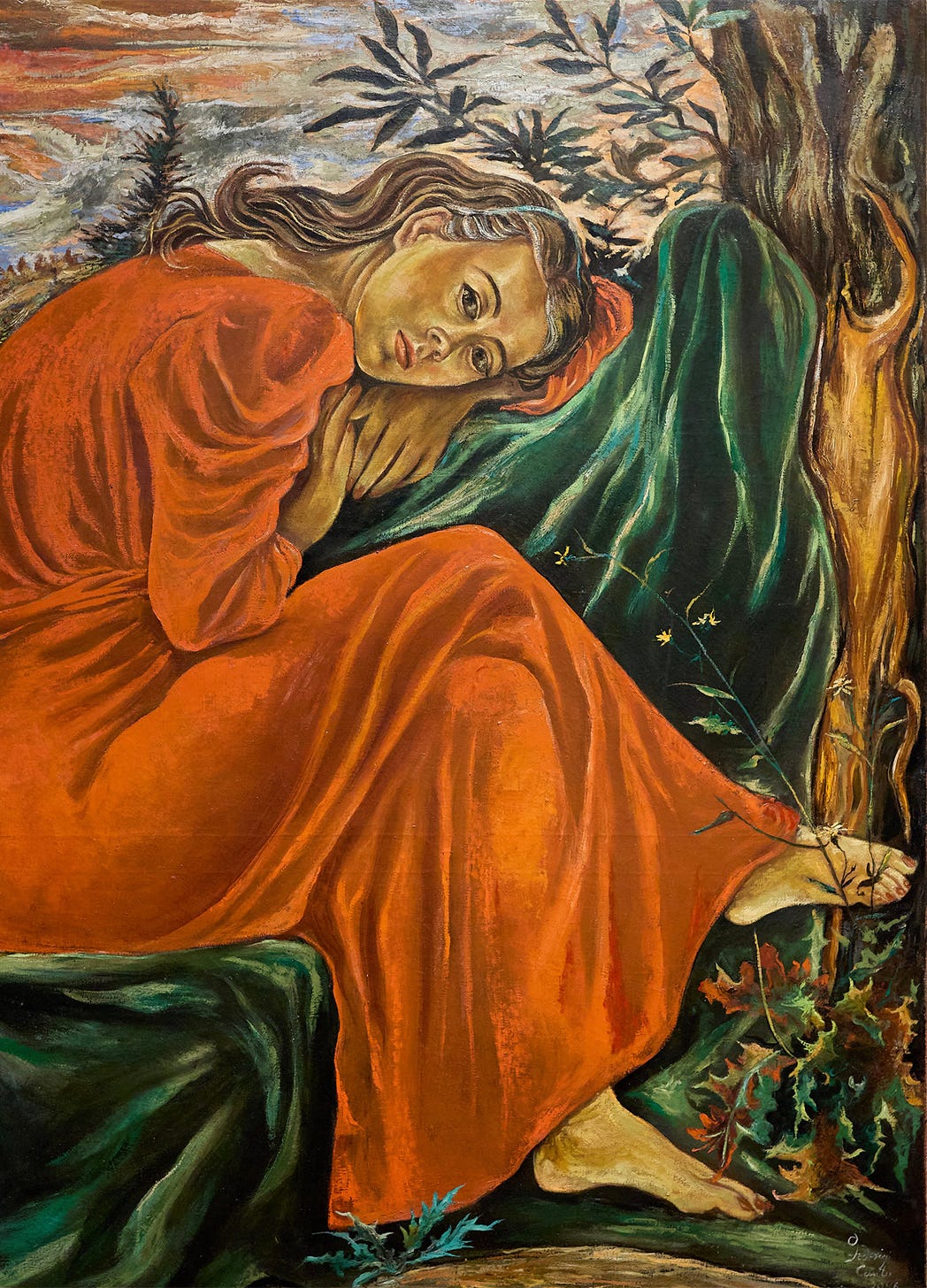
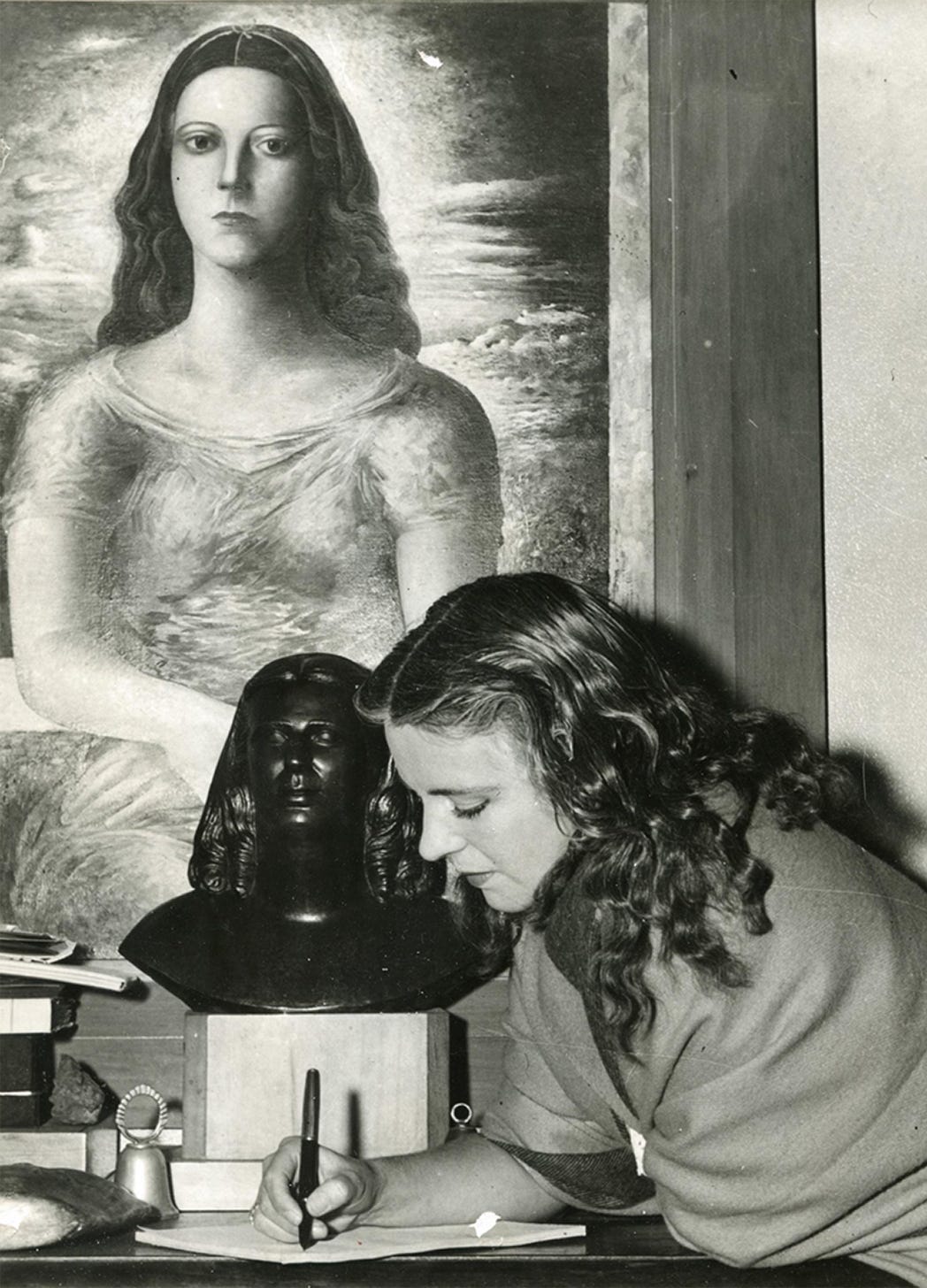
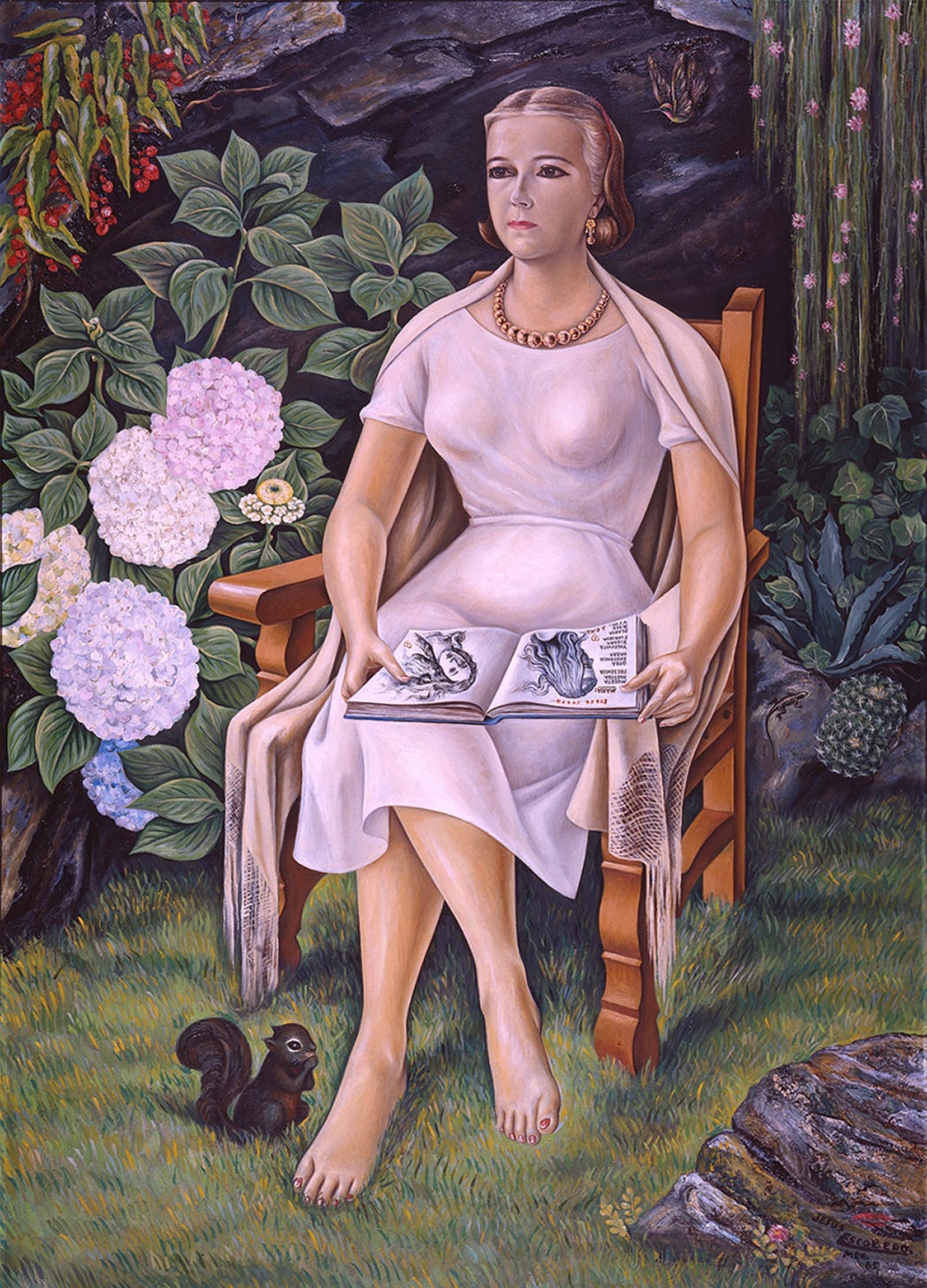
Alongside promoting Mexican contemporary art, Asúnsolo also modelled for many artists of her time. Works include Portrait of María Asúnsolo by María Izquierdo, Portrait of María Asúnsolo lowering the stairs by David Alfaro Siqueiros, and Portrait of María Asúnsolo in pink by Juan Soriano. In Izquierdo’s painting of Asúnsolo wearing a red peasant blouse trimmed with white lace and a black ribbon, the style closely resembles the artist’s self-portraits, giving it a strong sense of admiration. Photographers such as Gisèle Freund, Manuel Álvarez Bravo, and the Semo Photographic Studio (Mollie Steimer and Senya Fleshing) took countless portraits of her. Most were gifts of friendship or gratitude.
The number and variety of Asúnsolo portraits housed in Mexico City’s Museo Nacional de Arte (MUNAL) is impressive. Artists captured her image in drawings, paintings, photographs, and sculptures. Florence Arquin, a photographer, scholar, and artist, documented these portraits in the 1940s. She photographed not only the portraits but also Asúnsolo with them. Some were taken in her house, showing how she lived with the collection she inspired. In one instance, Arquin includes Asúnsolo, the portrait, and the artist Jesús Escobedo still working on the canvas. Toward the end of her life, Asúnsolo made two important donations: one to the National Library with thousands of volumes on art, history, and literature, and another of her paintings to the National Museum of Art. She died in Cuernavaca in February 1999.
Article by María Izquierdo in Art: The Galleries of Mexico and the Salon 1941
